GLASS BREAKING

How to make a satisfying glass breaking video

To make a satisfying glass breaking video, open a glass simulation such as Spiral Shatter or Hive Burst in Vidirexa, a browser studio. Choose the kind of glass, the rule and the colours, preview the whole run for free and record it. The balls do the breaking by themselves, each clip builds to its own finale, and the video downloads as a vertical 9:16 MP4.

Breaking glass is satisfying because it has a build-up and a release: a crack, a number that drops with every hit, and then the pane gives way. In these games every break is part of a simulation, so the finale is earned rather than cut in.

No camera, no real glass and no clean-up. You set up the rules, watch the preview and record the version whose last break lands best.

Updated 22 November 2026.
How do I make a glass breaking video, step by step?

  1. Pick the kind of break. Decide what the clip shows: a ball smashing its way round a spiral, a tile wall that frees a new ball with every break, a trapped ball breaking numbered blocks, or chambers racing through glass tiles. The game pages below describe each one.
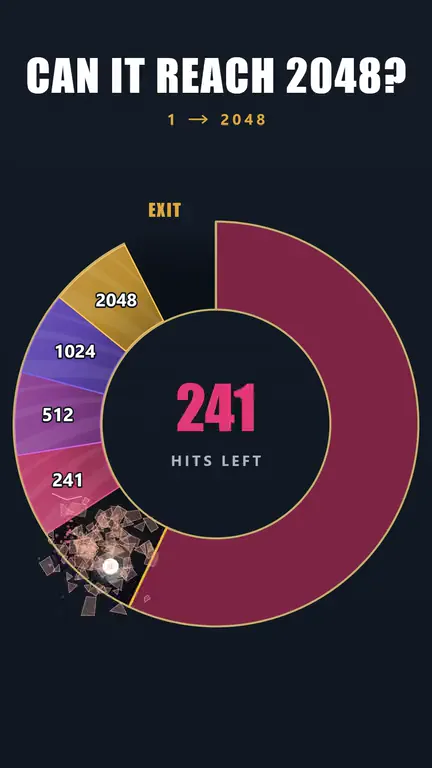
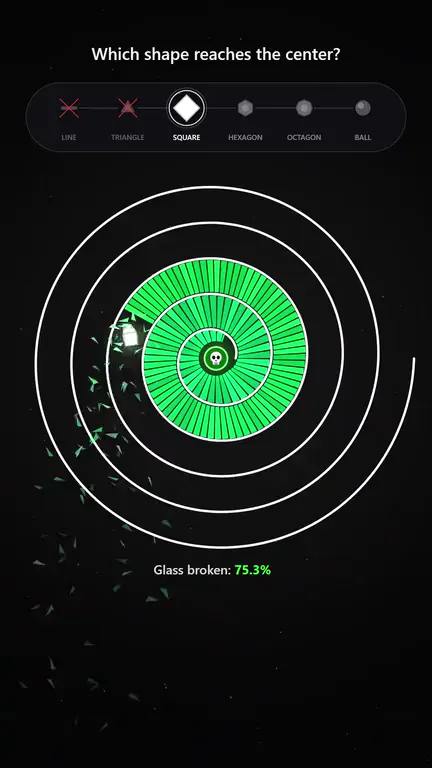
  2. Open Spiral Shatter. In Spiral Shatter a ball is thrown into a spiral full of glass and smashes its way round until its energy is gone. The glass grows back, and the next try starts with one thing changed: the shape, the object, the speed, the size or the glass. Open Spiral Shatter in the studio
  3. Set the tries and the glass. Set the number of tries between 3 and 8; the last try always reaches the centre and sets off the finale. Choose glass slats, honeycomb, beads, bricks, a breakable wall or a jelly wall, and what waits in the centre, such as a star, a crown, a gem or a bomb.
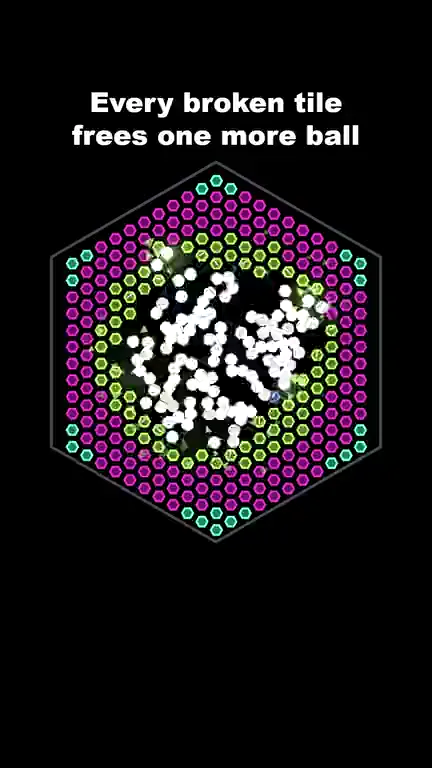
  4. Or crack a tile wall. In Hive Burst a tile cracks on the first touch and breaks on the second, and every broken tile frees another ball. Choose a rule such as the colour race, a tile shape (hexagons, squares, bricks, triangles, diamonds or dots) and one of fifteen colour patterns. Open Hive Burst in the studio
  5. Preview with the sound on. Press preview and listen as well as watch: the crack and the shatter are half of the effect. Most glass games have original sound sets with a volume control; switch the sound off if you want to add your own audio later.
  6. Record the finale. When the last break lands the way you want, record the clip. Signing up is free and lets you save and download the MP4.

Which glass breaking game should I use?

All of these play themselves and end on their own finale. They differ in what breaks and what the viewer waits for.

  • Spiral Shatter: one ball, a spiral of glass and several tries, each changing one thing, until the last try reaches the centre.
  • Hive Burst: a wall of small glass tiles coloured in rings; every broken tile frees another ball until the whole frame is bouncing balls.
  • Glass Gauntlet: a ball trapped between a wall that never stops and a row of numbered glass blocks. Every touch takes one hit off, and the pocket keeps shrinking.
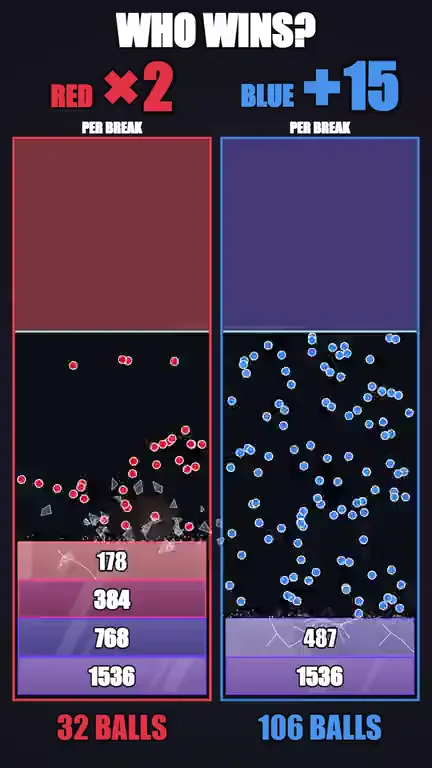
  • Shatter Stack: one to four chambers race through stacks of numbered glass tiles while the ceiling comes down; each broken tile pays its chamber a bonus.
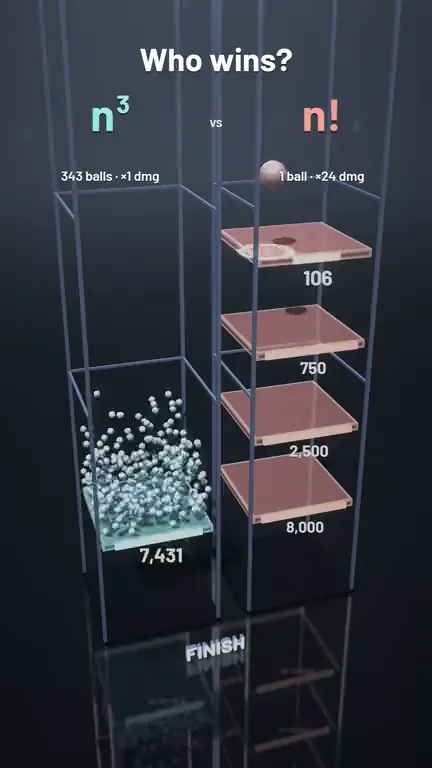
  • Formula Towers and Ball Slide: balls counted by a formula such as n³ or n! smash glass platforms, or, in the glass breaker rule set of Ball Slide, one steel ball rolls through glass pillars and gains weight with every break.

What makes a glass breaking video satisfying?

A visible countdown, a steady build-up and one big break at the end. In Glass Gauntlet and Shatter Stack every block carries a number that drops with each hit, so viewers can see the next break coming. In Spiral Shatter each try gets further, so the try that reaches the centre is the payoff.

Keep the frame readable: a few strong colours against a calm background make the shards easy to follow on a small screen.

Which settings should I try first?

Four starting points:

  • Suspense: Glass Gauntlet with the ending set to surprise and a doubling or Fibonacci number rule, so the blocks get much harder and viewers cannot tell whether the ball escapes.
  • Rivalry: Shatter Stack with four chambers, each with its own name, colour and bonus, and the question "which chamber wins?". Its modes are race, squeeze, sabotage, spike ceiling and a 20-second sprint.
  • Personal: Hive Burst with the colour pattern that spells a word you type, such as your channel name.
  • Texture: Spiral Shatter with honeycomb, beads or a jelly wall instead of glass slats, for a different sound and look.

How do I post a glass breaking video?

Show the glass in the first frame and ask the question early: will it escape, which chamber wins, which try reaches the centre? In the caption, ask viewers to guess the moment the last pane breaks. The file is already vertical 9:16, so it fills the screen without cropping, and the clip ends on its finale, so there is nothing to trim.

Games for this guide

  • Spiral Shatter preview frameSpiral Shatter: A ball is thrown into a spiral full of glass. It smashes its way round until its energy is gone, the glass grows back, and the next try starts with one thing changed: the shape, the object, the speed, the size or the glass. The last try always reaches the centre and sets off the finale.
  • Hive Burst preview frameHive Burst: A ball cracks a wall of glass tiles and every broken tile frees another ball, until the frame is full.
  • Glass Gauntlet preview frameGlass Gauntlet CREATOR: A trapped ball breaks numbered glass blocks while the pocket shrinks. Does it escape or get pinned?
  • Shatter Stack preview frameShatter Stack CREATOR: Up to four chambers race to break numbered glass tiles, each break paying a bonus while the ceiling drops.
  • Formula Towers preview frameFormula Towers: Two or three formulas race as 3D towers: their balls smash through glass platforms or fill up to a goal line.
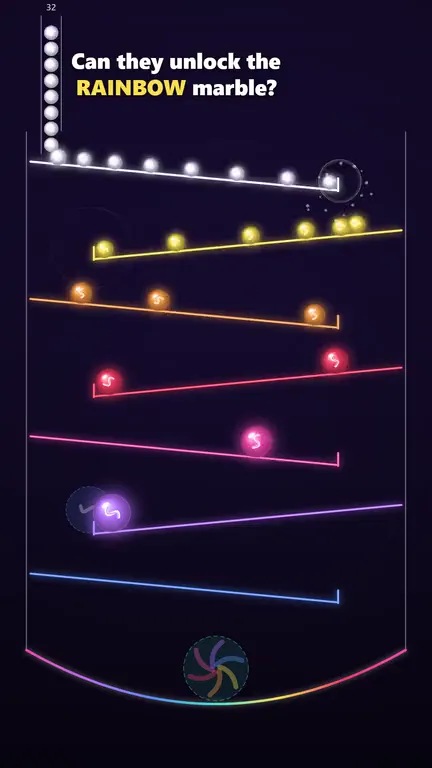
  • Ball Slide preview frameBall Slide PRO: Marbles slide down a tower of alternating neon ramps; two that meet at a ramp lip merge into a bigger marble of the next colour until the rainbow marble forms in the bowl. A second rule set rolls one steel ball through self-healing glass pillars and multiplies its weight with every break.

Video makers for this

Questions

Do I have to aim or play?

No. These simulations play themselves; you set them up, preview the run and record it.

Can I put my own word on the glass?

Yes, in Hive Burst: one of its fifteen colour patterns uses a word that you type.

Does the ball always break through?

In some games you decide. Glass Gauntlet lets you choose whether the ball escapes, gets pinned or a surprise, and in Spiral Shatter the last try always reaches the centre.

Does it have sound?

Most glass games have original sound sets with a volume control, and you can switch the sound off to add your own audio later. Use only music you have the rights to use.

Is it free?

Preview costs nothing and needs no account. The Free plan includes 2 recordings a day, each with a small vidirexa.com watermark; Creator, Pro and Lifetime recordings have none. Each week some games need a paid plan and show a PRO or CREATOR badge.

More guides

All creator guides · Start creating